 Excelrs
Lookup and feedback on a voice call
A call looks up the person, and the feedback for that call is stored on its own.
Excelrs·9 September 2026 · 5 min read
The voice agent takes a phone call, finds the person who is calling, and keeps the feedback for that call separate from every other call. Gunit Raj's profile says the call lookup of the user, and feedback stored separately for each call. The live app is the voice agent frontend.
One call, one record
On 9 September 2026 his commit enabled a Mongo lookup of the user and independent, timestamped feedback for each call. That is the day this note uses. The two halves of the commit are the two halves of the profile sentence.
Lookup means the call arrives with some identity the system can search. The search finds the user. The call is then tied to that person, so the agent is talking to a known user and not to an anonymous line. The commit names Mongo as the store for that lookup. The profile says "call lookup of the user," which is the same step in plainer words.
Feedback is what gets recorded about the call after, or during, the conversation. Stored separately means this call's feedback is its own record. A later call from the same person gets a new record. The timestamp on the commit message is how those records stay in order: each one has its own time. Independent means one call's feedback is not overwritten by the next call, and it is not a single note that keeps getting replaced on the user. The user can have many calls. Each call keeps its own feedback.
The diagrams split the sentence in two, because they happen at different moments. The first is the caller, the lookup, and that call. The second is the feedback stored on that call. There is no transcript here, no phone number, and no score for the call. Those would be data from a real conversation. This note only has the shape the profile and the commit describe.
The same day has other commits around the voice agent: a prompt fix, a telephony curl fix, and a lockfile fix so the frontend could build. Those are the same week of work on the project. The profile sentence, and the commit this note is dated from, are the lookup and the per-call feedback. The 10 September commit initializes more of the backend structure. The lookup and feedback are already in on 9 September, so the note stays on that day.
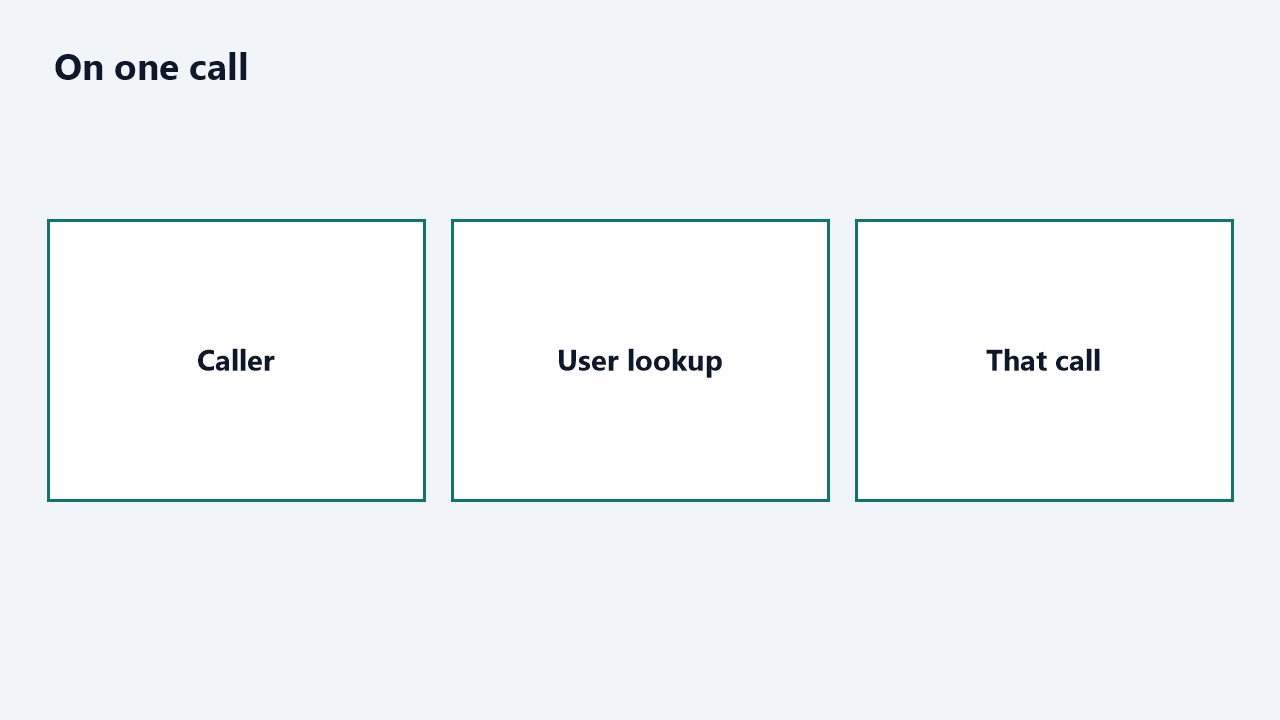
The call looks up the user and stays tied to that call.
Who changed it
| Person | What the profile says |
|---|---|
| Gunit Raj | Call lookup of the user, and feedback stored separately for each call. |
Walk one call. It comes in. The lookup runs and finds the user. From then on, that call is this user's call. When feedback is written, it is written on this call, with its own time, and the next call will not reuse the same feedback row. A person reading the history can see call after call, each with its own feedback, rather than one blob that moved the last time anyone called.
A company reading the profile can open the live voice agent and place a call that the system can match to a user. They can look for the feedback on that call as its own record. A second call should produce a second record. The profile says both the lookup and the separate feedback. Either half alone would be a shorter sentence than the one stored.
The other projects on the same profile, the rider app and MedMatch, are separate notes. This one is only the voice agent.
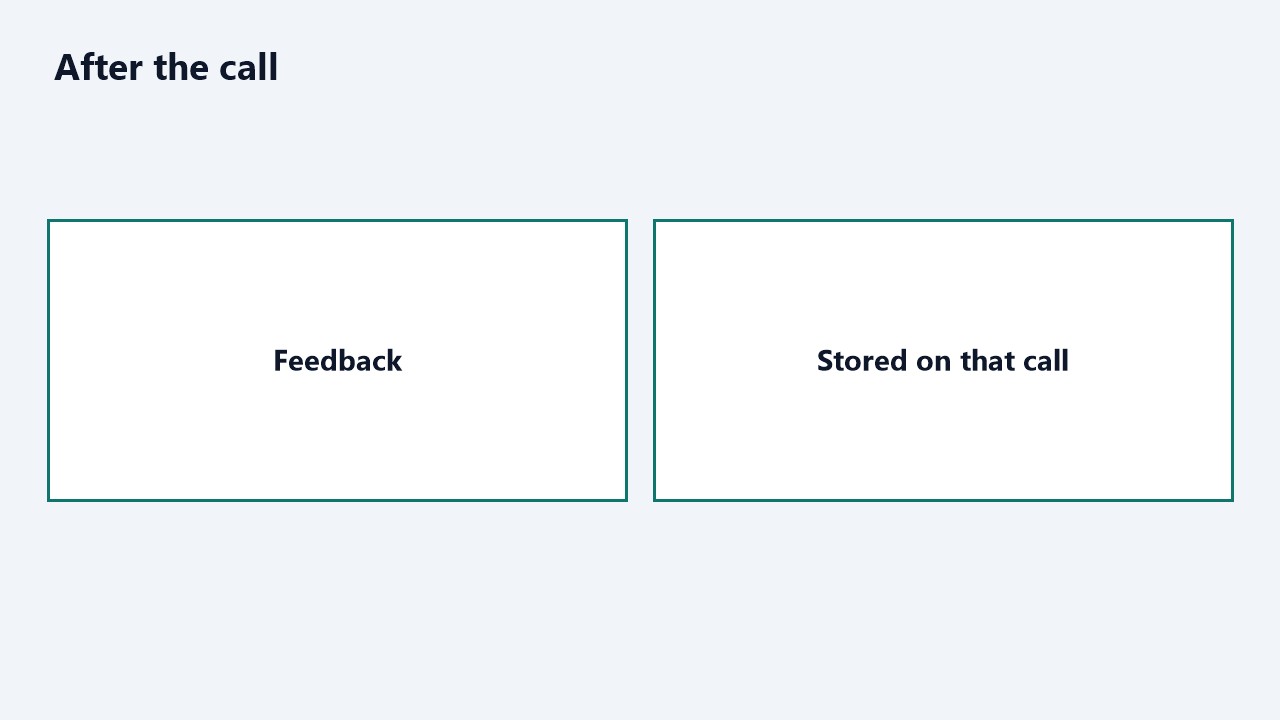
Feedback for the call is stored on that call.
The second call
A lookup that only kept a phone number, or feedback that only kept one paragraph on the user, would miss the commit. The commit finds the user in Mongo, and it stores feedback that is independent and timestamped for each call. Independent is the word that matters on the second call. If the second call updated the first call's feedback, the records would not be separate. The timestamp is how a reader tells the calls apart when the same user calls twice in one day. The profile's phrase, feedback stored separately for each call, is that independence.
The other commits on 9 September are easy to fold in. A prompt fix changes what the agent says. A telephony curl fix changes the provider request. A lockfile fix lets the frontend build. None of those is the lookup, and none of those is the feedback row. They are the same day's work on the project, and they are named so the profile sentence stays narrow. The 10 September commit sets up more of the backend. The lookup and the feedback were already enabled on the 9th, which is why the note stays there.
Two calls that the lookup can match to one user are the check. The first call has its own feedback. The second call has another. The user is the same. The feedback rows are not. A transcript of a real conversation stays off this page. The rider app and MedMatch are on the same profile, and each has its own note. This page is the lookup and the feedback only.
Read the commit and the profile as the same two steps. Mongo user lookup is the call lookup of the user. Independent timestamped feedback for each call is feedback stored separately for each call. The live app is where the two calls get run. The table is the profile sentence in his words, which is the line a company should hold the demo to. The diagrams are those two moments. The cover is the title card for the note, and it is not repeated as the first picture in the body.
What you can open
Call lookup of the user, and feedback stored separately for each call.
The date on this note is 9 September 2026, the day the user lookup and the per-call feedback landed.
This note adds no placement and no extra client. The proof is the live voice agent and the sentence already stored on the profile.