 Excelrs
Context windows: what fits on the desk
Rules, question, a few facts, room for the answer. Why stuffing twenty pages fails, and what to drop first.
Sandeep Jaiswal·9 November 2025 · 5 min read
A model can only see a limited amount of text at once. That limit is the context window. If you go past it, the start falls off, or the call fails.
This post is about what fits, what to drop, and why twenty pages in the prompt is a bad plan.
What the window is
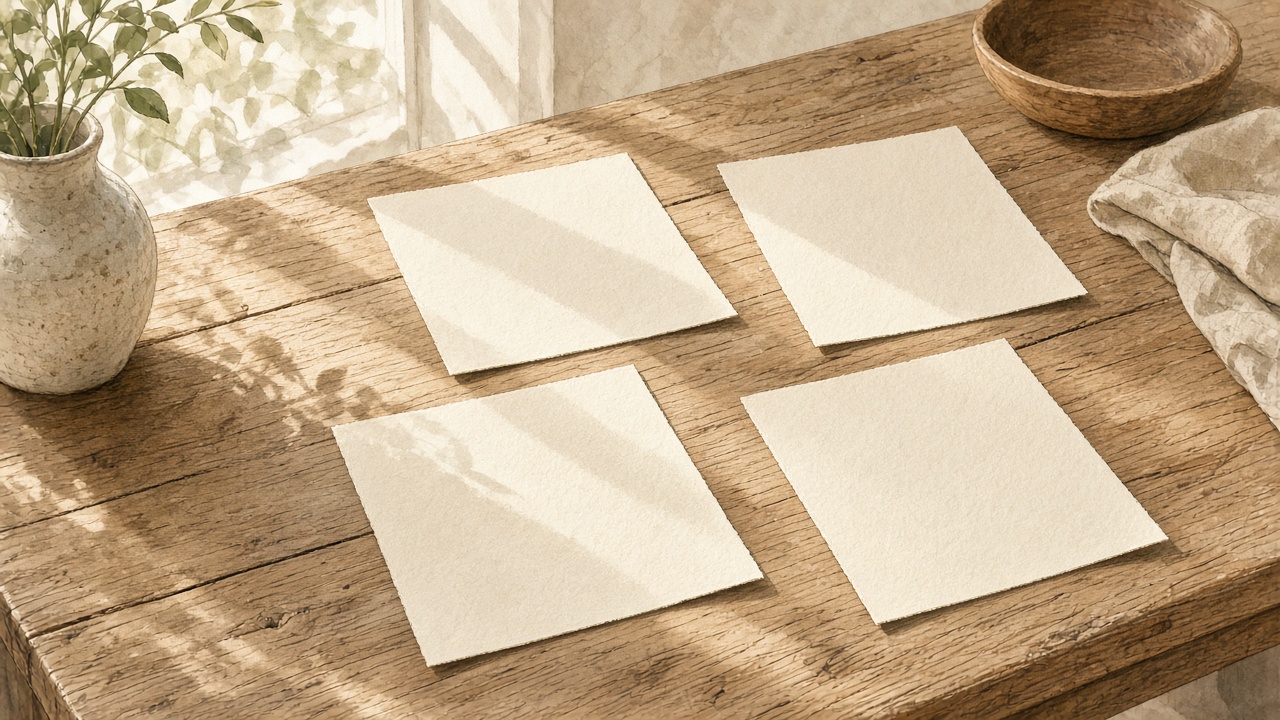
Think of a desk that holds a fixed number of pages. The question, your rules, the files you pasted, and the reply all share that desk.
Tokens are the units. A token is often a short word or a piece of a word. You do not need the exact count on day one. You need the habit: everything you send costs space.
If the desk is full, something has to leave. Many setups drop the oldest text. That is often your rules, or the start of the file — the part you actually needed.
If you cannot say what is on the desk, you do not know what the model can see.
Why stuffing fails
You paste a whole report. The question is one line about page two. The model skims, grabs a sentence from page twenty, and sounds sure.
You also pay for every page on every question. The same report, pasted again, is the same bill again.
RAG exists because of this. You keep the report off the desk. You put three short chunks on the desk. The window stays honest.
A chat that never forgets is also a stuffing problem. After forty turns, the first instruction is gone. “New question” is not rudeness. It is clearing the desk.
What to put on the desk
In this order:
- Your rules. Short. They must survive.
- The question.
- A few facts that support the question. Chunks, a brief, a tool result.
- Room for the answer.
Out:
- Old chat that is not this job
- Whole files
- Tool traces you already used
- A second copy of the same chunk
If you need a number from a table, put the row, not the spreadsheet.

Empty space is part of the design. A full desk has no room to write.
A size you can feel
Count the pages you would hand a classmate. If you would not ask them to read all of that just to answer one line, do not ask the model either.
A useful desk for a notes helper is: half a page of rules, one line of question, half a page of chunks. That is a short read. That is also a cheap call.
If your printed prompt is longer than the answer you wanted, you probably stuffed.
You do not need a vendor chart to start.
- A page of plain text is a few hundred words.
- Three chunks plus a short rule will fit almost anywhere.
- A full book will not.
If your feature needs the whole book every time, the feature is wrong. Change the job, or search first.
When a call fails with a length error, do not retry the same paste. Cut.
When a call succeeds but the answer ignores your rule, check whether the rule was still on the desk. Print the prompt you sent. If the rule is missing, you dropped it.
Common mistakes
“The model has a huge window, so paste it.” Huge is not infinite. Huge is also slow and expensive.
Rules at the top, a long file, a question at the end. The file becomes the middle that shoves the rules away on a smaller model.
No “new question.” The desk fills with leftover chat.
Duplicating chunks. The same paragraph three times wastes the window and looks like extra evidence.
Hiding the prompt from yourself. If you cannot print it, you cannot see what fell off.
Walk through once
Write a five-line rule and the question “How many classes can I miss if I have 36 of 40?”
Desk A: those five lines, the question, and the one example paragraph (36 of 40, miss 8). Print it. You can read it in under a minute. Ask the model. Check the number.
Desk B: the same rule and question, plus the whole three-page notice the college sent — mess menu, bus times, the attendance rule buried on page two. Print it. Find your five-line rule. If you have to scroll to find it, the model might lose it too.
Ask the same question on desk B. If the answer mentions the bus or the menu, the extra pages won. Go back to desk A.
If desk B also gets 8, you still cut. You paid for the menu. You did not need it.
Keep both prints. The short one is the spec. When someone pastes a new notice into the helper, compare the new prompt to the short print. If it is twice as long, you stuffed again.
Practise
- Write a five-line rule and one question.
- Add three chunks you actually need.
- Print the full prompt. Read it out loud. If you get bored, it is too long.
- Paste a whole extra chapter. Print again. Notice what you would have to drop.
- Ask the question both ways. Keep the short desk if the answers match.
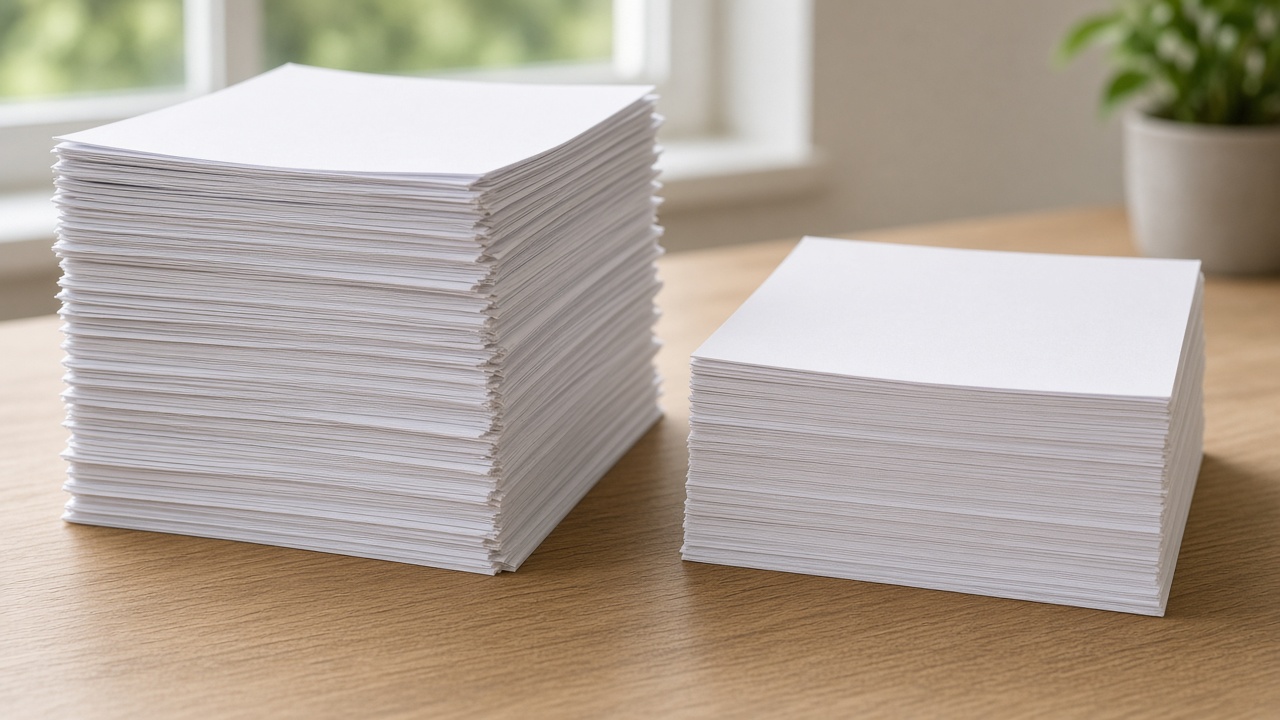
The cut-off first lines are often the rules. That is why the second answer went wild.
Checklist
- You can say what shares the window: rules, question, facts, answer.
- You put facts on the desk, not the whole file.
- You can print the prompt you sent.
- A new question clears old chat.
- A length error means cut, not retry.
The next step is a desk you can read in one minute, not a bigger window.